Belt Sizing Guide: How to Measure and Specify Custom Belt Length
- Share
- publisher
- Hongmioo Belt Manufacturer
- Issue Time
- Jul 13,2026
Summary
Measure an existing belt, define buckle-fold and adjustment-hole lengths, and prepare a size chart for custom belt sampling and fit approval.
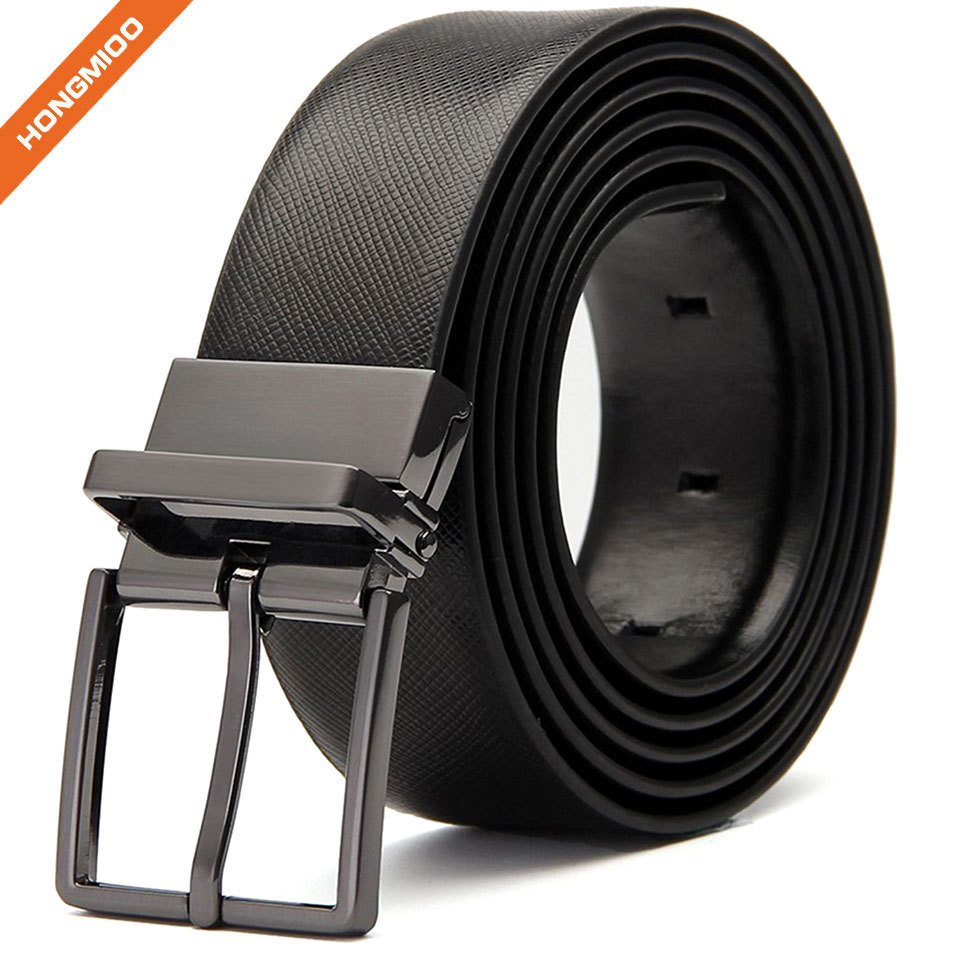
A belt size is useful only when the measurement endpoints are clear. Brands may label sizes differently, and total strap length is not the same as the working length to an adjustment hole. For a custom order, use an agreed drawing and size chart rather than a regional label alone. Lay the belt flat without stretching it. Record the distance from the buckle fold to the hole normally used, and show those endpoints in a photograph or drawing. If the size chart is based on the centre hole, identify that hole and record its distance from the same starting point. Also record the strap width, total strap length, number of holes, hole spacing and distance from the last hole to the tip. State whether the buckle is included in any dimension. These details help the supplier reproduce the intended fit and tail length. If an existing belt is unavailable, measure around the position where the belt will be worn, over the intended clothing. Treat trouser size as background information rather than an exact belt dimension. Do not automatically add a fixed amount to a measured waist: buckle geometry, clothing and the chosen construction affect fit. For a pin-buckle belt, agree the buckle-fold-to-centre-hole measurement and the adjustment range. For a reversible belt, check fit with the assembled buckle and strap. For a ratchet or slide-adjustment design, request a drawing showing the usable adjustment range and any permitted trimming method; these systems do not all use the same sizing rule. For elastic, sports or outdoor belts, state whether dimensions are measured relaxed or under an agreed condition. Check the complete sample with the intended clothing and activities rather than relying on a generic length addition. Provide one row per size with its label, working length, total strap length, hole layout or adjustment range, and agreed tolerance. Keep units consistent. If labels use both inches and centimetres, confirm the conversion and rounding before approving artwork or size markers. Review a sample against the written size chart and check the smallest and largest intended fits where relevant. Confirm buckle operation, tail length, keeper position and readable size labels. Record any changes in the approved specification so the sample and production chart remain aligned. Send Hongmioo the belt type, width, size chart, buckle choice, reference measurements and quantity per size. Ask for the proposed measurement method, available sample plan and product-specific quotation before finalizing the order.How to Measure and Specify a Belt Size
Measure a well-fitting belt
Use waist or trouser size as a reference
Account for the buckle and adjustment system
Build a clear size chart
Approve fit before bulk production
Send your sizing brief