How to Choose the Perfect Belt: Material, Width, Buckle & Fit Guide
- Share
- publisher
- Hongmioo
- Issue Time
- Jul 12,2026
Summary
A complete belt buying guide covering material types, width selection, buckle styles, hardware finishing, and proper fit for dress, casual, and uniform belts.
Why Choosing the Right Belt Matters
A belt is more than a functional accessory. It frames your silhouette, anchors your outfit, and communicates attention to detail. Whether you are sourcing for retail, corporate gifts, or personal use, understanding the key factors — material, width, buckle type, and fit — ensures you select a belt that performs as well as it looks. This guide walks through each decision point so you can confidently choose the right belt for every occasion.
Belt Materials: The Foundation of Quality
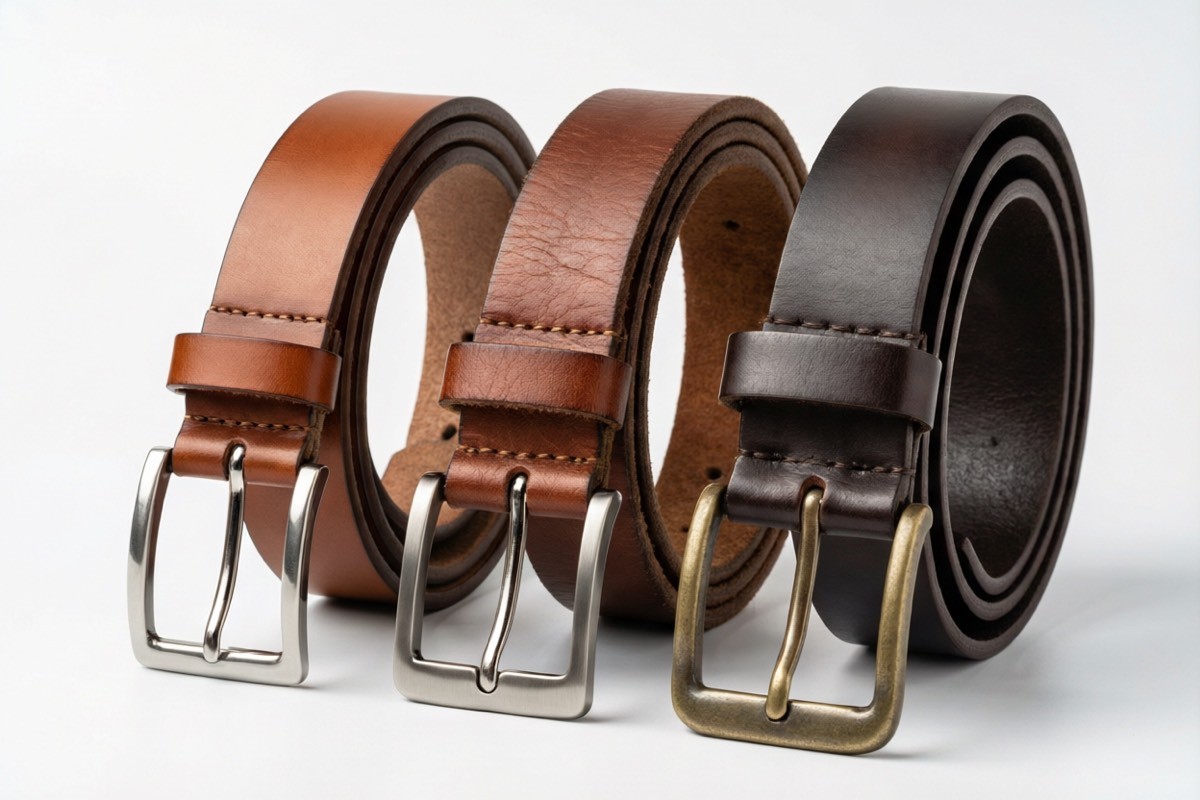
The material defines the belt's appearance, durability, and price point. Full-grain leather remains the gold standard for dress and premium casual belts. Its natural grain, fibre density, and patina development over time make it a preferred choice for high-end private-label programmes. Top-grain leather, slightly corrected, offers a more uniform finish at a moderate price.
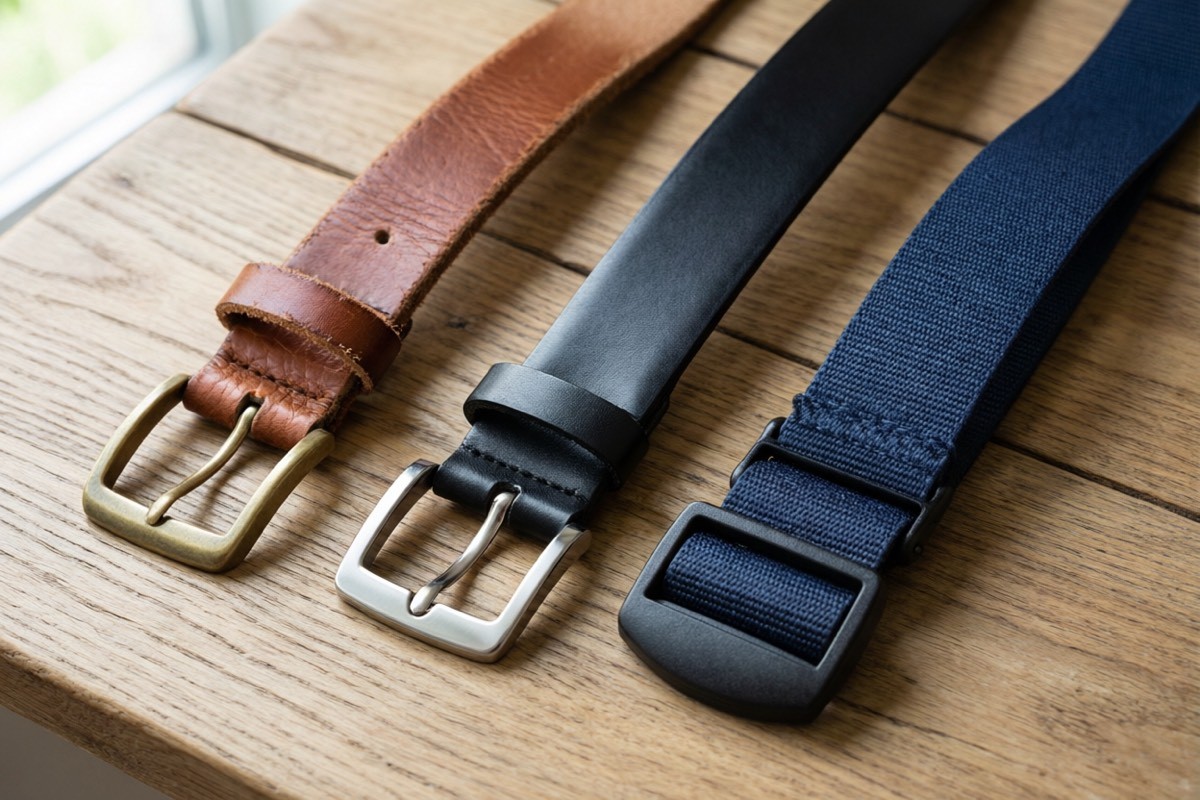
For performance and cost-sensitive applications, PU leather and bonded leather provide consistent texture and colour across large production runs. Premium microfiber has become a strong alternative in the eco-conscious segment, delivering leather-like hand feel with reduced environmental impact. Woven fabric and nylon webbing belts dominate the outdoor and uniform categories, prized for their lightweight strength and washability.
Belt Width and Profile
Width is the single most visible differentiator. Standard dress belts measure 30 mm to 35 mm, sitting neatly through tailored trouser loops. Casual and jean belts range from 35 mm to 40 mm, offering a bolder visual line. Heavy-duty and work belts extend to 45 mm and above, designed for tool carry and structural support.
Profile curvature also matters. A gently tapered belt follows the natural waist contour and stays centred through movement. Flat belts, more common in woven and webbing styles, provide a consistent look that suits casual and uniform applications equally well.
Pro Tip
For best results, match belt width to your most frequent trouser belt-loop width. A 35 mm belt fits nearly all chinos, dress trousers, and dark denim — making it the most versatile SKU for both retail buyers and individual consumers.
Buckle Styles and Hardware
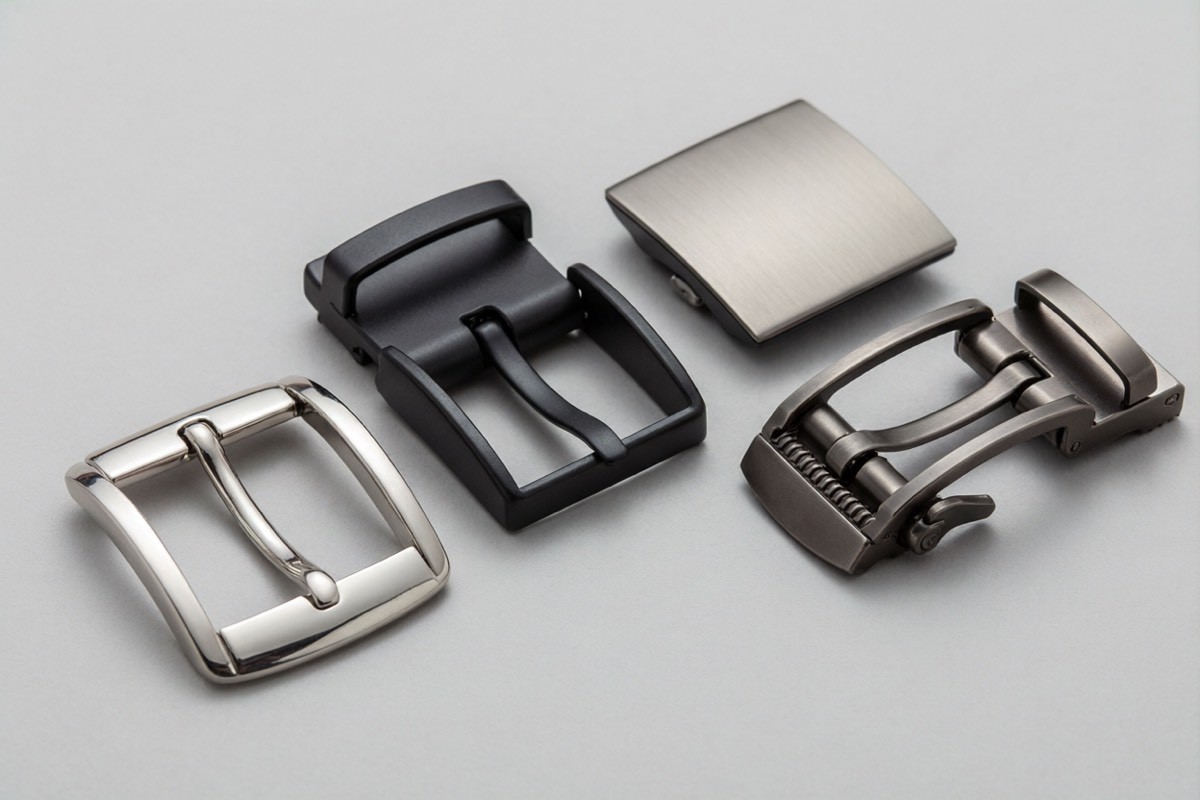
The buckle dictates both function and form. Single-prong roller buckles are the traditional choice for dress belts. Double-prong and plate buckles offer a Western or fashion-forward look. For modern convenience, ratchet and magnetic quick-release buckles allow micro-adjustment without visible holes — increasingly popular in 2026 collections.
Hardware finishing matters as much as mechanics. Polished brass and nickel convey formality; brushed gunmetal and matte black signal contemporary edge. When sourcing for a brand collection, offering the same strap with two buckle options (classic prong and quick-release) can double SKU versatility with minimal production overhead.
Finding the Right Fit
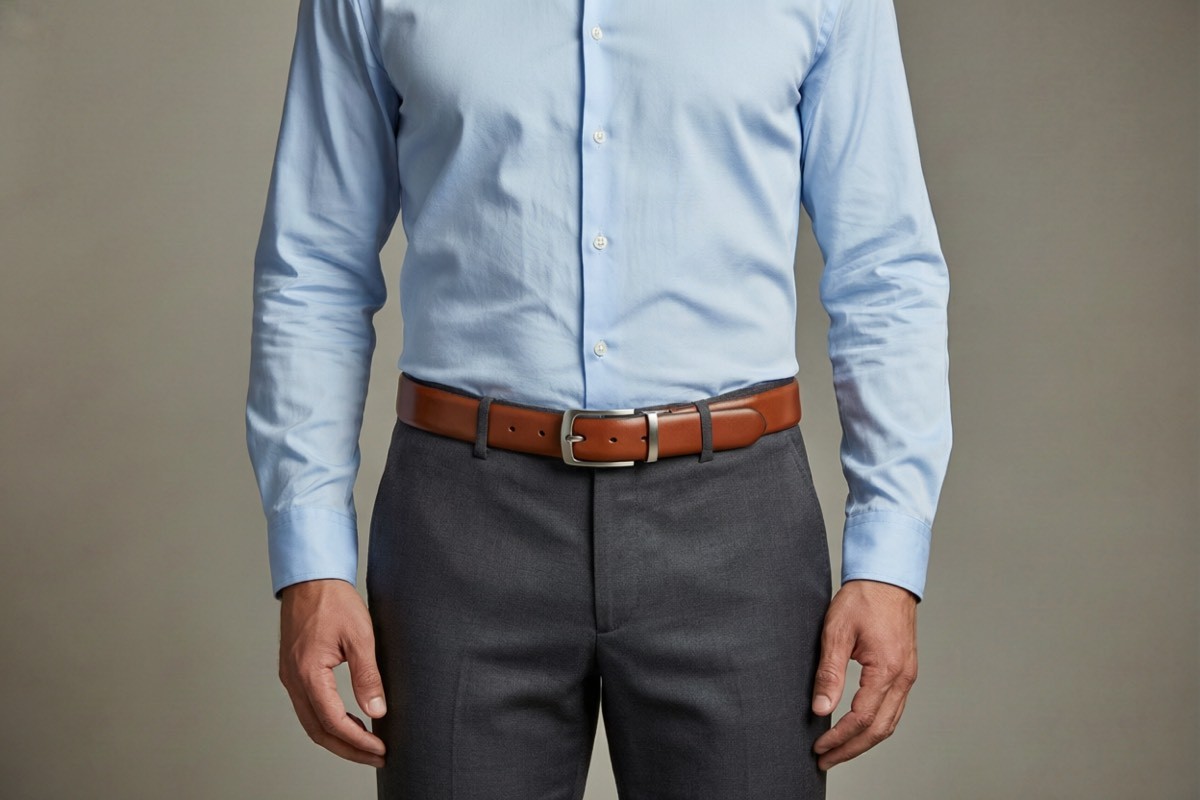
A belt should fit on the middle hole, not the first or last. Measure from the buckle fold to your most-used hole to determine the correct length. Standard men's sizes range from 30 to 44 inches; women's from 24 to 36 inches. For private-label orders, offering half sizes and multiple length options significantly reduces return rates.
Whether you are building a retail belt line or sourcing custom belts for your brand, getting these fundamentals right will save costly iterations later. Browse our belt catalogue or speak with our sourcing team for expert guidance.