Sports Belt Buying Guide: Fit, Materials & Custom Options
- Share
- Issue Time
- Jul 1,2026
Summary
A practical guide for teams and brands sourcing custom sports belts, with tips on fit, materials, buckles, sizing, and OEM/private-label orders.
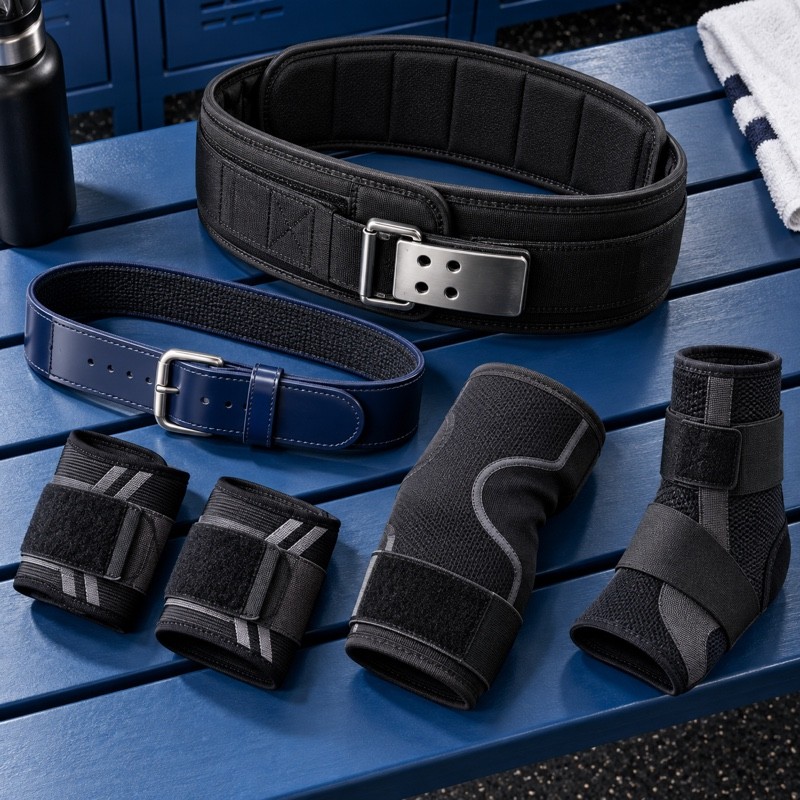
A sports belt is a small part of a uniform, but teams and brands still need it to fit consistently, coordinate with the uniform, and hold up through routine wear. This guide focuses on practical belt-selection and sourcing questions for baseball, softball, golf, and other team or casual programs. A belt is an apparel accessory; it should not be presented as protective equipment or a substitute for sport-specific safety gear.
Start with the use and uniform
Before choosing a style, identify who will wear the belt and how it will be used: a youth baseball team, an adult league, a golf collection, or a retail/private-label line. Check the uniform’s belt-loop width, color requirements, and whether the belt will be worn tucked under a jersey or with everyday apparel. These details help narrow the width, length range, finish, and buckle profile.
Choose a material and construction
Common options include synthetic materials such as PU, woven webbing, and leather, depending on the desired look, hand feel, care needs, and target price. Ask how the strap is constructed, how the edges are finished, and whether the material and color are available consistently for repeat orders. For team programs, a straightforward construction and a repeatable color specification can make replenishment easier. Request a physical sample when color, texture, or flexibility is important to approval.
Check sizing and fit
Do not rely on a single nominal belt length without confirming how it is measured. Share the intended wearer waist range, belt-loop width, and preferred adjustment range with the supplier. For team orders, test the proposed size range on representative wearers and record the approved measurement method. If several sizes are needed, agree on the size breakdown and labeling before bulk production.
Select buckle and details
Match the buckle style to the uniform and customer preference. Confirm buckle dimensions, finish, attachment method, and whether the design can be branded. Custom details may include strap colors, stitching, a logo on the strap or buckle, packaging, and size labels. Ask for artwork requirements and a sample or approval proof before production; do not assume that a finish or logo treatment is available until confirmed for the specific design.
Plan an OEM or private-label order
A clear inquiry should include the sport or customer group, target strap material and width, color, size range, buckle preference, logo or packaging needs, estimated quantity, and delivery destination. Selected programs may start from 50 pieces; the standard minimum is 300 pieces per style and color. Confirm the applicable minimum for the exact materials, colors, and custom details before placing an order. Sample timing and bulk lead time should likewise be confirmed against the approved specifications and production schedule.
A practical approval checklist
Before approving bulk production, confirm the sample measurements, color, buckle dimensions and finish, logo placement, size labels, packaging, and order breakdown in writing. Keep the approved sample or specification as the reference for repeat orders. This makes expectations clearer for both the buyer and manufacturer without relying on broad claims about athletic performance or injury prevention.
For a custom sports-belt inquiry, share your target use, specifications, quantity, and branding requirements so the available options can be checked for your program.