What are the parts of a belt called? - Belt parts
- Share
- Issue Time
- Mar 25,2018
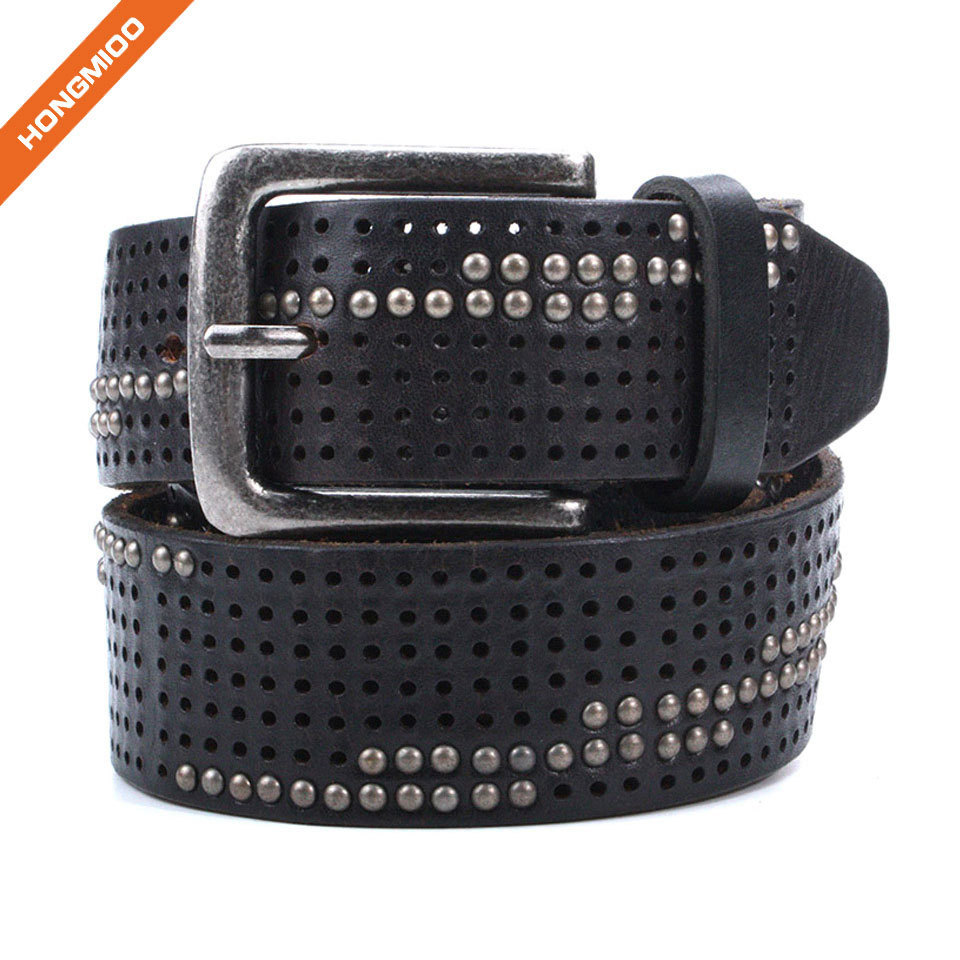
The main parts are the strap, buckle or closure, keeper and free end or tip. A prong belt also has a prong and adjustment holes. The exact parts depend on the construction. The part that passes around the waist. When specifying a belt, identify the material, width, thickness, finish and whether the construction should stretch. The hardware that fastens or adjusts the belt. Prong, ratchet, D-ring and quick-release closures work differently. Describe the required closure and match its strap opening to the belt width. On a prong belt, the prong passes through a selected hole to hold the belt closed. Hole count, spacing and distance from the tip should be specified for that design. Other closures may not use punched holes. A small loop that holds the loose strap end against the belt. It may be fixed or movable. This is different from the belt loops sewn onto trousers. The free end of the strap. Its shape, edge finish and any added tip hardware are separate design choices; a metal tip is not part of every belt. Stitching or other fasteners may join layers, hold a keeper or secure a buckle. Show these details in your reference rather than assuming every belt uses the same construction.What are the parts of a belt called?


Strap or belt body
Buckle or closure
Prong and adjustment holes
Keeper or belt loop
End or tip
Stitching and attachment points
Turn these terms into a clear purchasing brief