Leather Testing
- Share
- Issue Time
- Oct 13,2018
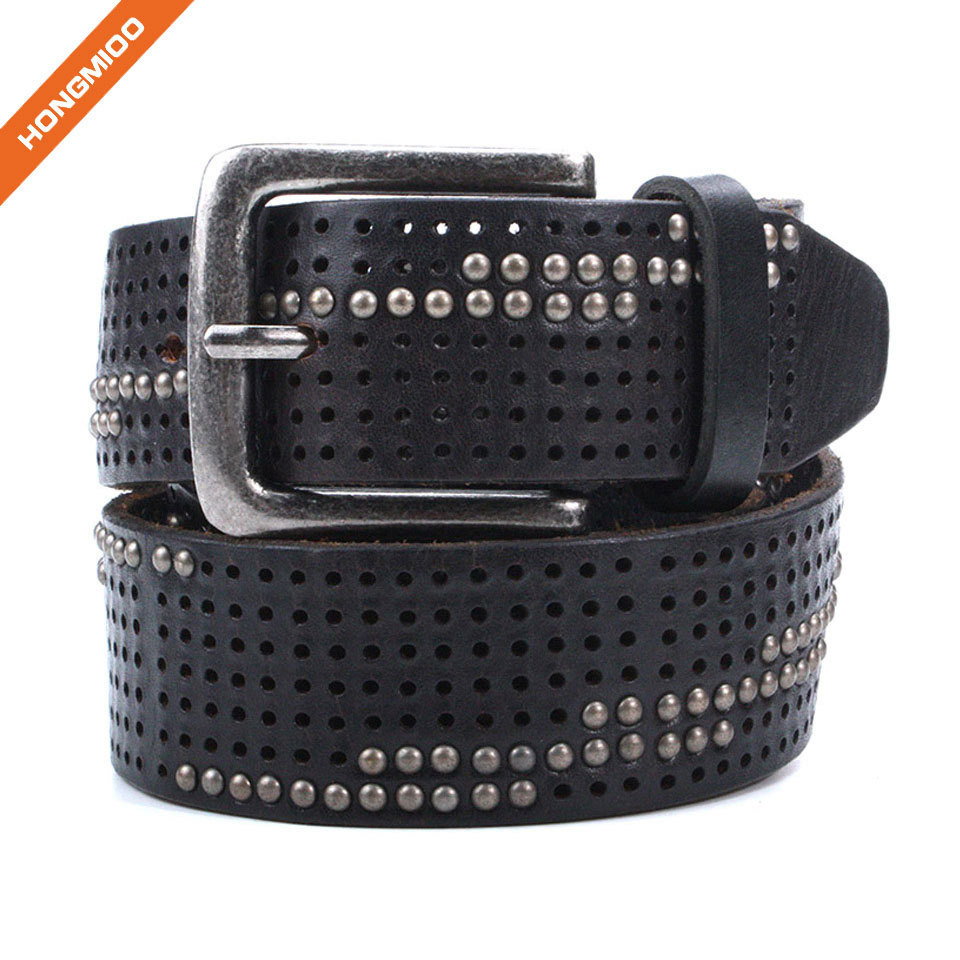
Hongmioo performs comprehensive leather testing to ensure every belt meets quality and compliance standards before shipment. Our QC lab follows ISO-referenced methods for physical and chemical testing.
Physical Testing
| Test | Method | Purpose |
|---|---|---|
| Tensile Strength | ASTM D2209 / ISO 3376 | Ensures leather can withstand normal wearing and buckle tension |
| Tear Strength | ASTM D2211 / ISO 3377 | Measures resistance to tearing at stitch holes and edges |
| Thickness Uniformity | Dial gauge, multiple points | Verifies consistent thickness across the entire strap |
| Flex Resistance | Bally Flexometer / ISO 5402 | Simulates repeated bending to check for cracking |
| Colorfastness to Light | ISO 105-B02 / Xenon arc | Tests fading resistance under prolonged light exposure |
| Colorfastness to Rub | ISO 11640 / Crockmeter | Dry and wet rub testing for dye transfer resistance |
Chemical Compliance Testing
- REACH (EU): Restricted substances including AZO dyes, chromium VI, phthalates, PAHs, and PCP/TeCP
- Proposition 65 (California): Lead, cadmium, and other listed chemicals
- Nickel Release (EU): EN 1811 / EN 12472 for buckle hardware
- Formaldehyde: EN ISO 17226 for certain finishes

Hongmioo Quality Control Points
Incoming Inspection
Raw leather and hardware inspected before production release. Color, thickness, and defects logged.
In-Process QC
Cutting, stitching, and assembly stations check dimensional accuracy and workmanship continuously.
Final QC
100% visual inspection before packing. AQL sampling for dimensional and functional tests per batch.