Belt Types & Materials Explained
- Share
- Issue Time
- Sep 6,2019
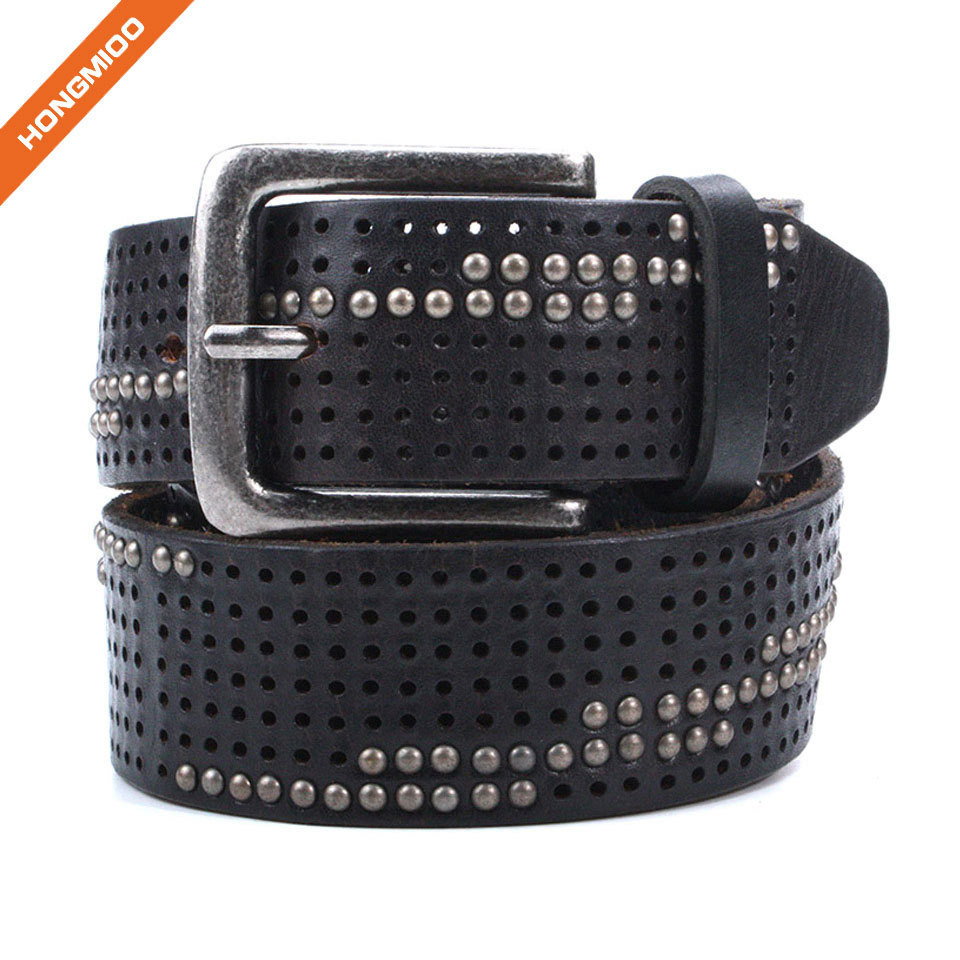
Belt Types and Materials — A Complete Guide for Buyers and Brands
Belts are more varied than most people realise. The type of belt you choose — and the material it is made from — affects its durability, appearance, comfort, and appropriate use cases. This guide covers the main belt categories and materials to help buyers and brands make informed decisions. Hongmioo manufactures belts in all these types and materials for OEM and ODM partners worldwide.
Belt Types
| Type | Width Range | Typical Material | Primary Use |
|---|---|---|---|
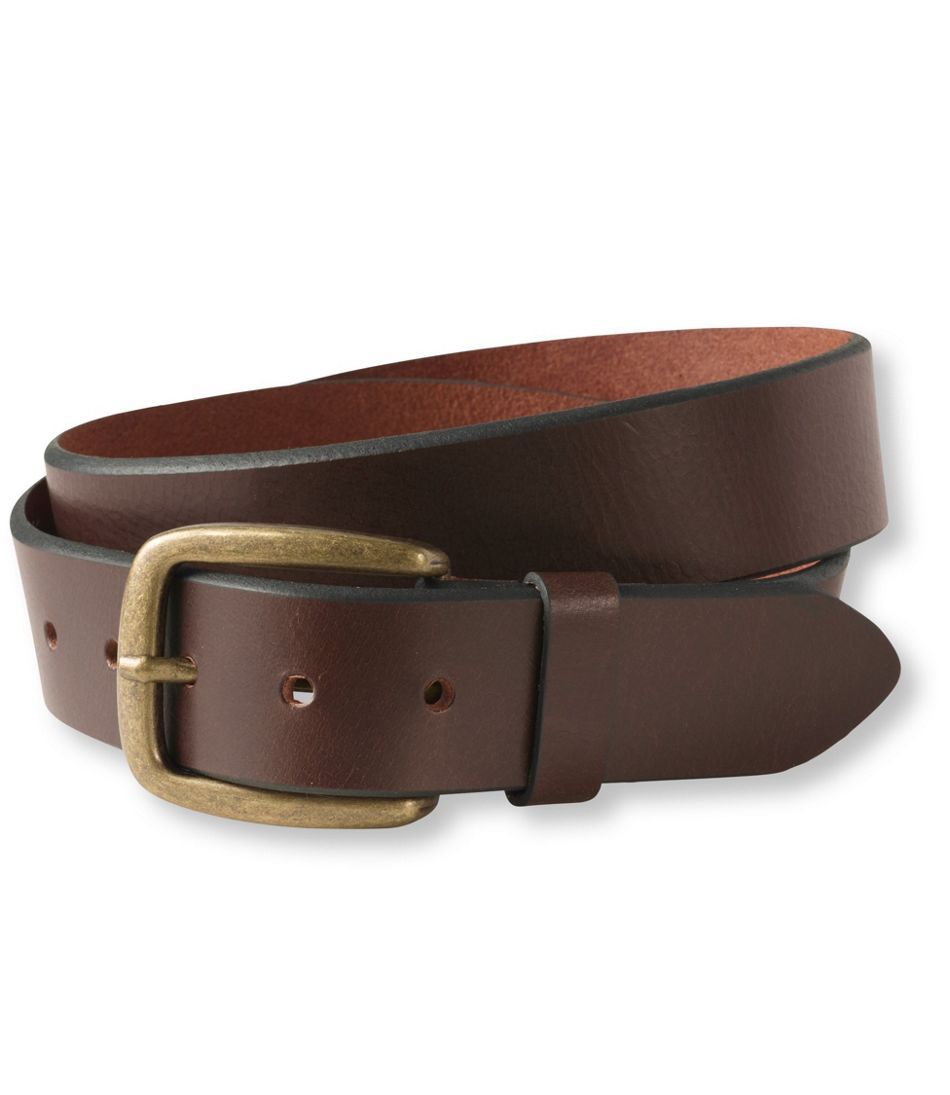
| Dress Belt | 1"–1.25" | Full-grain or top-grain leather | Suits, formal trousers, office |
| Casual Belt | 1.25"–1.5" | Leather, PU, fabric, woven | Jeans, chinos, everyday wear |
| Tactical Belt | 1.5"–1.75" | Nylon webbing, cobra buckle | Duty, range, outdoor, EDC |
| Ratchet Belt | 1.25"–1.5" | Leather top, ratchet mechanism | Comfort fit, no-hole look |
| Western Belt | 1.5"–2" | Leather with tooled design | Western wear, country, rodeo |
| Canvas / Web Belt | 1"–1.5" | Cotton or nylon webbing | Military-style, casual, uniform |
| Elastic / Stretch Belt | 1"–1.5" | Elastic woven, no-hole closure | Comfort, golf, travel |
| Braided Belt | 1"–1.5" | Leather braid, woven cotton | Summer, resort, smart casual |
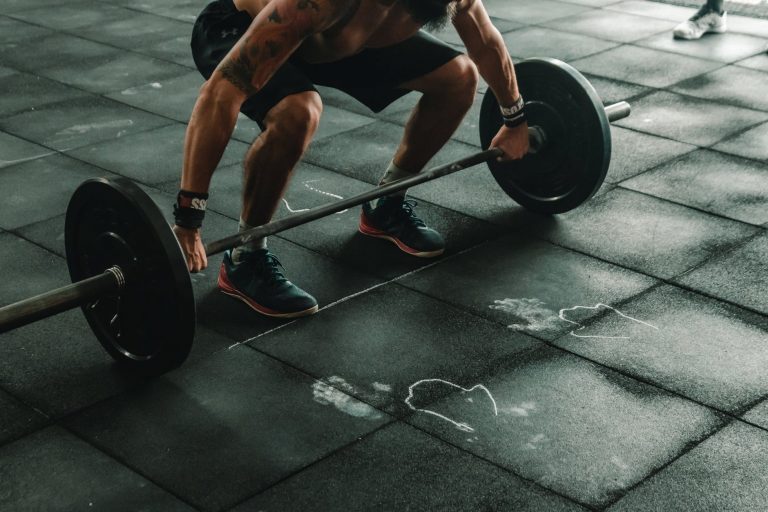
| Gym / Weightlifting Belt | 4"–6" | Thick leather or nylon | Heavy lifting, back support |
Belt Materials
Genuine Leather (Full-Grain)
The highest quality leather. The full grain layer is intact, showing natural markings. Develops patina over time. Most durable. Used for premium dress and casual belts.
Genuine Leather (Top-Grain)
Sanded and finished to remove imperfections. Slightly less breathable than full-grain but more uniform appearance. Used for mid-range dress and casual belts.
Genuine Leather (Corrected-Grain)
Buffed and coated. Lower cost. Consistent appearance but less character. Used for entry-level leather belts.
PU Leather (Synthetic)
Polyurethane-coated fabric backing. Looks similar to leather at lower cost. Available in many colours and textures. Easier to maintain than real leather.
Microfiber Leather
Ultra-fine synthetic fibres. Softer, more breathable, and more durable than standard PU. Often used for high-end synthetic belts with leather-like feel.
Nylon Webbing
High-tenacity nylon. Quick-drying, UV-resistant, and very strong. Used for tactical, outdoor, military, and durable casual belts.
Polyester Webbing
Similar to nylon but lower cost. Good colour retention. Used for casual web belts and promotional items.
Fabric / Textile
Cotton, canvas, jacquard, or blended fabric. Soft feel, washable. Used for casual, summer, and fashion belts.
Which Material Should You Choose?
Formal / Office
Full-grain or top-grain leather. 1"–1.25" wide. Black or brown. Polished buckle.
Daily Casual
Top-grain leather, PU, or microfiber. 1.25"–1.5" wide. More colour flexibility.
Outdoor / Tactical
Nylon webbing. 1.5"–1.75". Cobra or side-release buckle.
Summer / Resort
Fabric, braided leather, or cotton webbing. Light colours and textures.
Gym / Fitness
Nylon with Velcro or elastic. 1.5"–2". Quick on and off.
Medical / Safety
Nylon webbing, magnetic or quick-release buckle. Nickel-free materials.
Hongmioo, established 1994 in Hangzhou, China, is an ISO/BSCI-certified belt manufacturer producing in all these materials and types. We serve brands with OEM/ODM production, factory-direct pricing, and global shipping.
Exploring belt manufacturing options?
Contact Hongmioo